Foundation Repair in Joshua, TX
Joshua is Burleson's neighbor to the west, and its houses sit on the same Johnson County clay with the same habits. Foundation repair in Joshua, TX covers two kinds of stock in one town: the subdivision slabs that have grown up along FM 917 and the older, bigger-lot homes, many of them pier and beam, spread along the county roads. We work both, and we are ten minutes away.
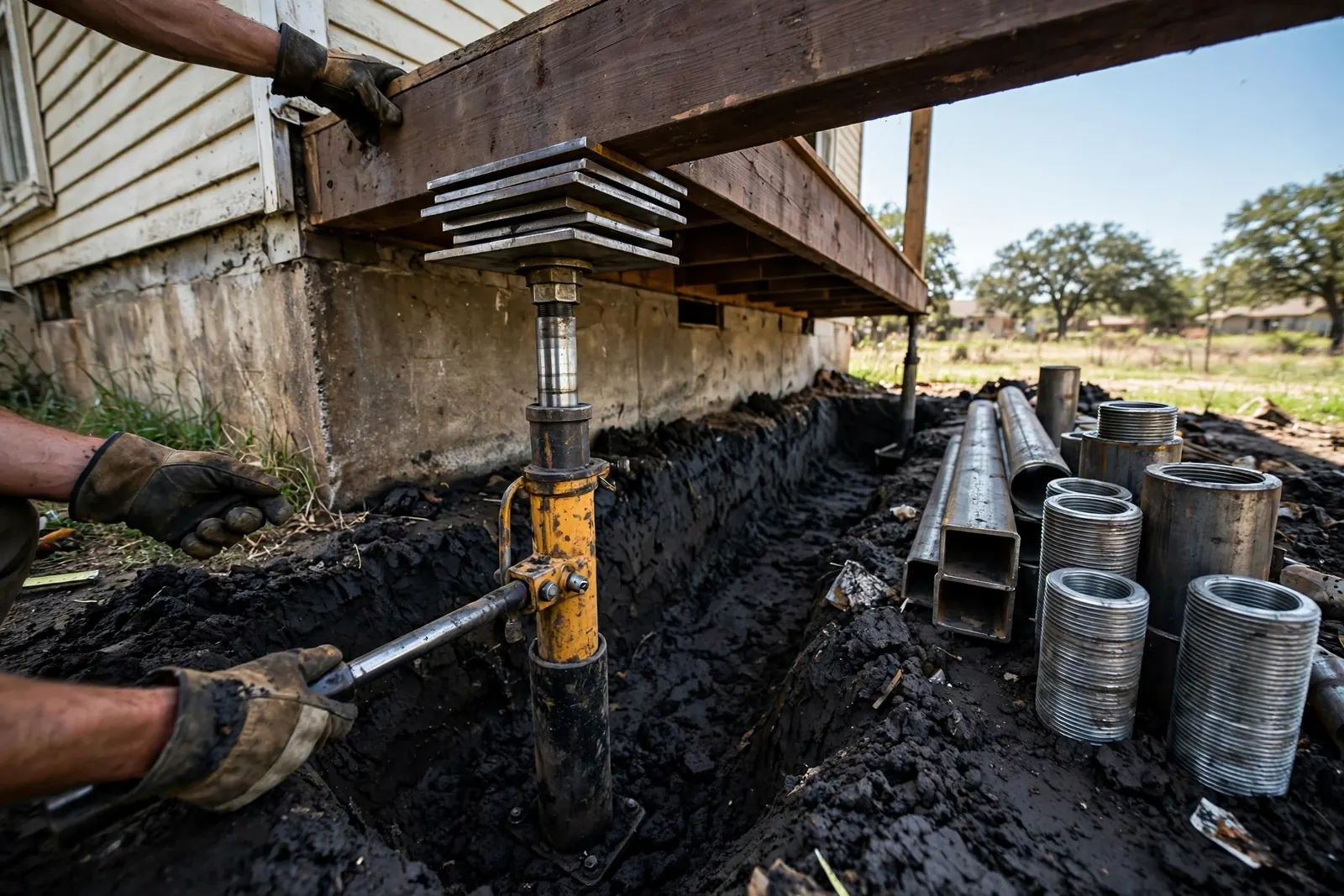
The Joshua pattern we see most is the slow corner drop: a slab home, ten to twenty years old, with one corner an inch low, brick cracking over the garage, and a front door that has started to rub. The second Joshua pattern is the country house problem set: pier and beam floors gone wavy, crawl spaces that stay wet, and septic and well plumbing complicating the dig. Both start the same way with us: a free elevation survey and a straight written verdict.
Joshua's stock: subdivisions and acreage
Along 917 and around the schools, Joshua's newer neighborhoods are slab-on-grade brick homes much like Burleson's newer stock, built fast on graded clay lots during the same growth years. They fail the same way too: edge drop in dry summers, downspout corners swelling in wet springs, first cracks inside a decade of the build. The advantage of catching them here is age: a ten-year-old corner drop is a five-pier conversation, not a fifteen-pier one. Off the main roads, Joshua is still a small-town landscape: older frame and brick homes on pier and beam, houses on acre lots with big oaks close to the corners, and room to work that subdivision lots do not give. The pier and beam stock needs crawl space eyes: beams and supports checked for rot and sink, floors read from inside, water traced in a space that often has never been encapsulated or even cleaned out. Our crawl space repair page covers what we do under there.
Clay, oaks and septic systems
Joshua adds three local wrinkles to the standard Burleson story. The oaks are bigger and closer: a mature oak at a corner drinks that corner's clay dry every summer, and corner drops next to big trees are the most predictable call in town. Lots are bigger, so water travels farther and ponds in more creative places; drainage plans here are yard plans, not just footing plans. And many Joshua homes run septic systems, which means two things for foundation work: the dig has to respect the tank and field lines, and a leaking septic line is itself a foundation suspect, because it wets one patch of soil continuously. Part of our Joshua evaluation is asking where the septic sits and whether any wet spot in the yard never dries. A foundation that dropped because a line leaked needs the line fixed too, or we are piering against a running faucet underground.
How a Joshua job runs
Survey first, always: the contour map of the floor, the perimeter walk, the crawl space pass on pier and beam homes, and the water-and-septic walk on the lot. Then the flat quote. Joshua pier work is exterior whenever the lot allows, and Joshua lots usually allow, which keeps prices in the honest part of the range: most of the Joshua jobs we run land in the ranges on the cost guide, with the typical corner work at the lower end. Pier and beam structural work runs two to four days; slab pier jobs one to three. Everything carries the lifetime warranty on pier work, and the readings stay on file.
A word about timing in Joshua, because the country lots change the calendar. Pier work here is weather-tolerant, but the yards are not: after a week of rain, a big lot on clay holds water in the dig lines and the work turns to mud management. We schedule Joshua jobs with the forecast in hand and we will tell you honestly if a wet week argues for waiting a few days. The survey itself runs in any weather, and getting the readings early, even if the work waits for a dry spell, means the plan is set and priced while other crews are still guessing from the driveway.
Straight Answers
Questions from Joshua homeowners
My house is pier and beam. Do you still take readings inside?
Yes. The floor survey works the same regardless of foundation type, and on pier and beam it tells us which sections the under-house work needs to pick up. Then we crawl it and match the map to the beams and supports underneath.
The crack showed up after the drought. Is it too late to just water?
Watering helps the soil recover evenly and can stop a live situation from worsening, and we will walk you through a soaker routine for your lot. What it cannot do is lift a corner that already dropped or close the gap the shrink opened under the footing. If the readings say the corner is down, piers are the repair and watering becomes the maintenance after them.
Do you work around septic systems?
Every week. We locate the tank and lines before digging, hand-dig near them, and if the evidence says a line is leaking and feeding the problem, we will tell you to have it repaired as part of the project sequence. Piering beside a leaking line without saying so would be selling you a job designed to be redone. The locate work takes an extra half hour at the survey and saves a second dig later, which is exactly the trade this whole company is built on: measure first, dig once, and leave the yard looking like we were never there.
What We Do Here
Foundation Services in This Area
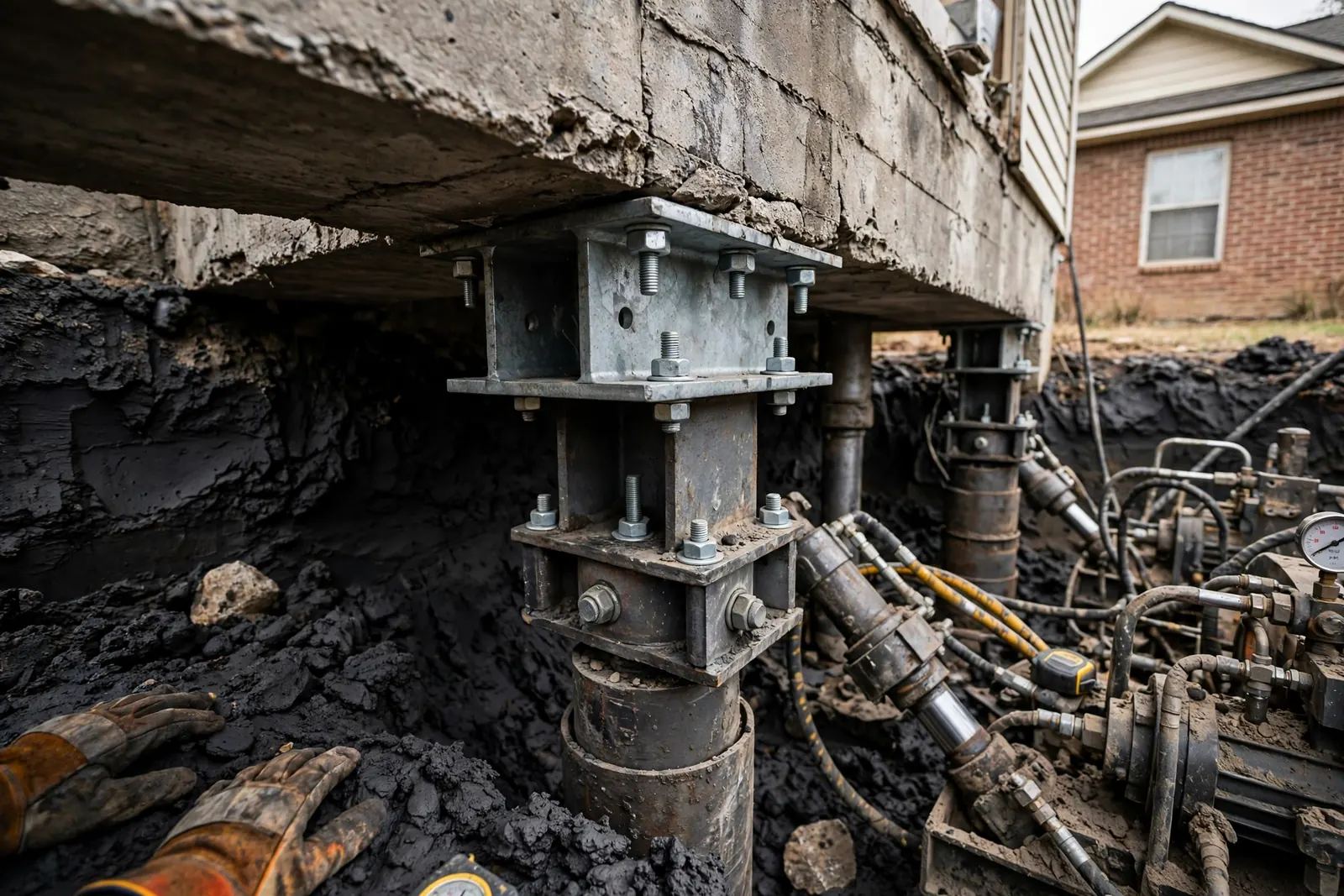 Foundation RepairPiers under the low side, a controlled lift on hydraulics, and a floor that reads level when we are done. That is the whole job, done right.
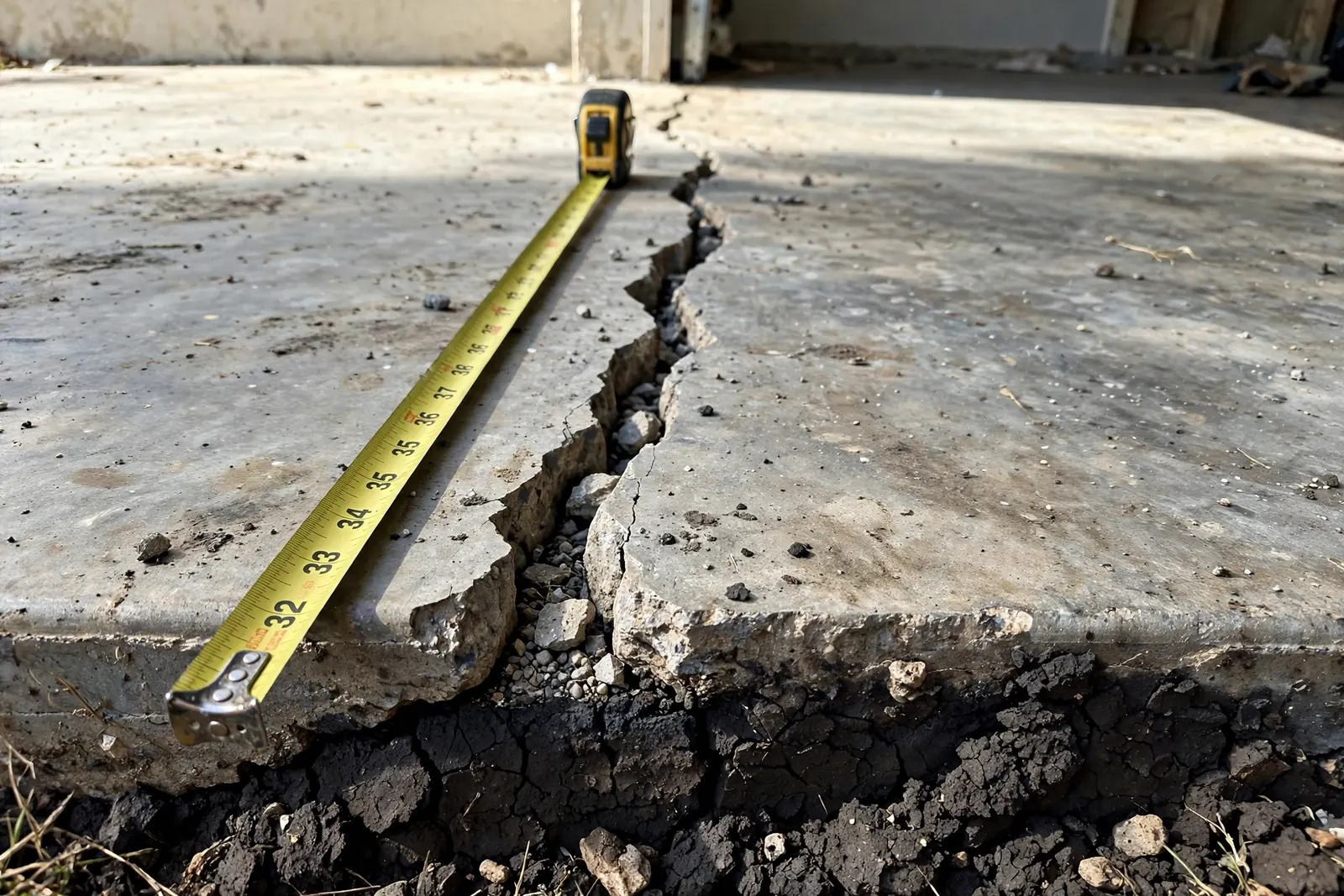 Slab RepairSunken slab sections lifted and locked onto piers. Every crack mapped before we start and checked again after the lift.
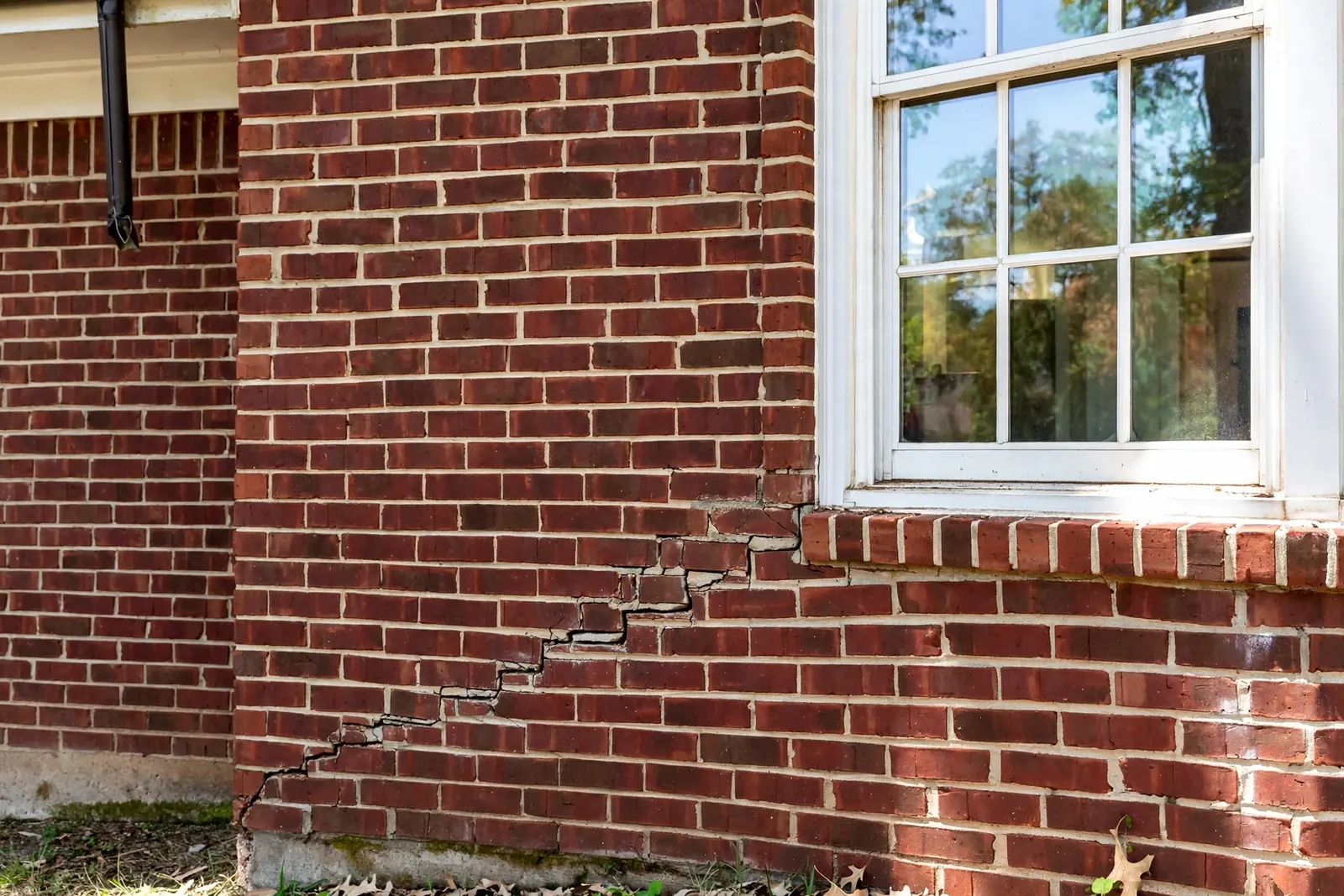 Crack RepairA brick crack is a symptom, not the disease. We stop the movement first, then we seal the crack. In that order, or do not bother.
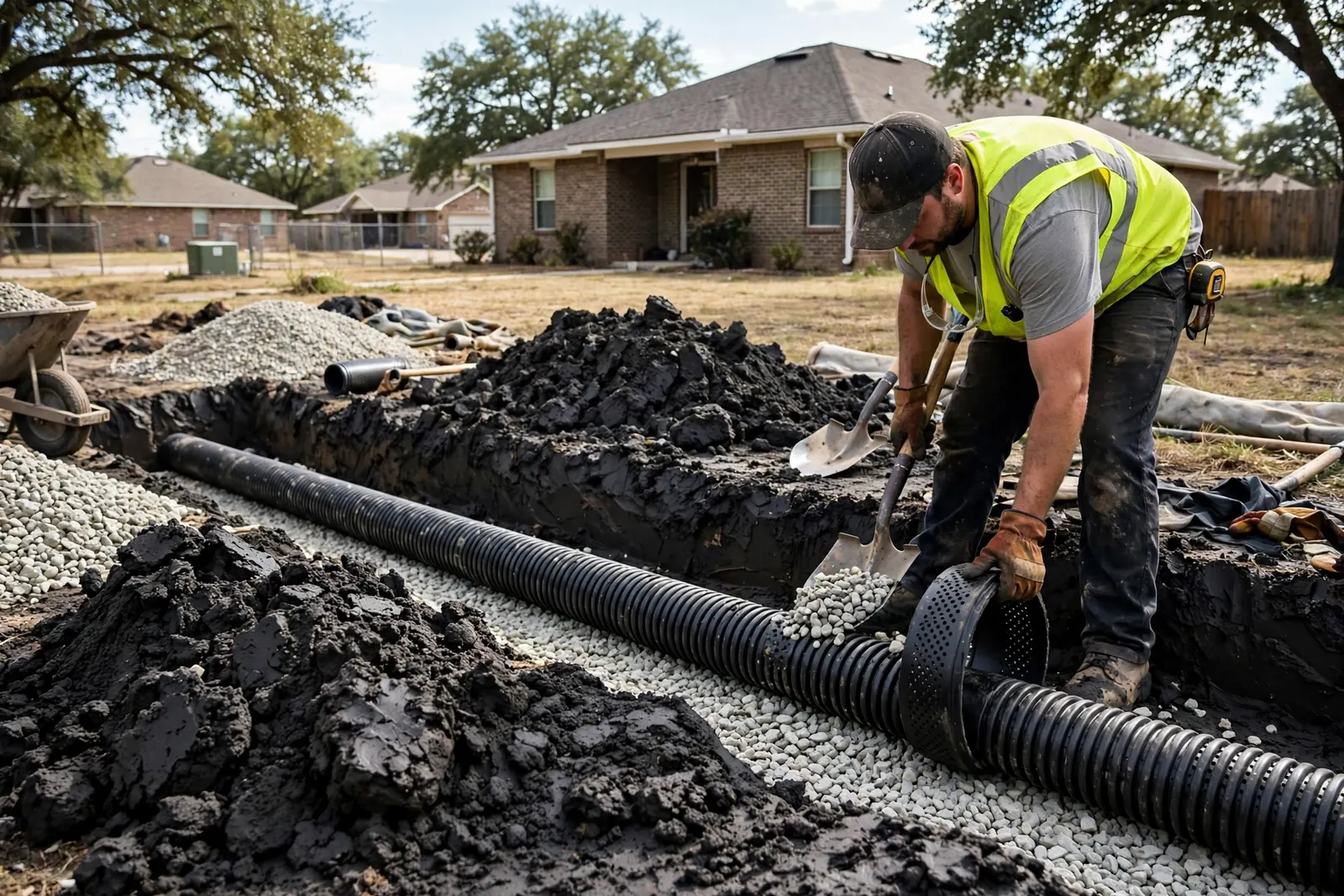 Drainage & French DrainsWater is the cause. Drains are the cure. We dig the trenches nobody wants to dig and grade the yard so water leaves.
Foundation Help in Joshua
Tell us what the house is doing and we will call you back to set the free evaluation. Prefer to talk? Call (682) 439-9099.
Get a Free Evaluation
We measure the whole floor, show you the numbers, and quote it flat. It costs you nothing.