Expansive Clay Soil in North Texas
If one fact explains foundation repair in Burleson, it is this: we build on clay that changes volume with the weather. Expansive clay soil in North Texas, the deep blackland clay of the Blackland Prairie, swells when it gets wet and shrinks when it dries, and it does both hard enough to lift, drop and crack the houses sitting on it. This guide is the whole mechanism, in plain language, because a homeowner who understands the soil understands every quote they will ever get.
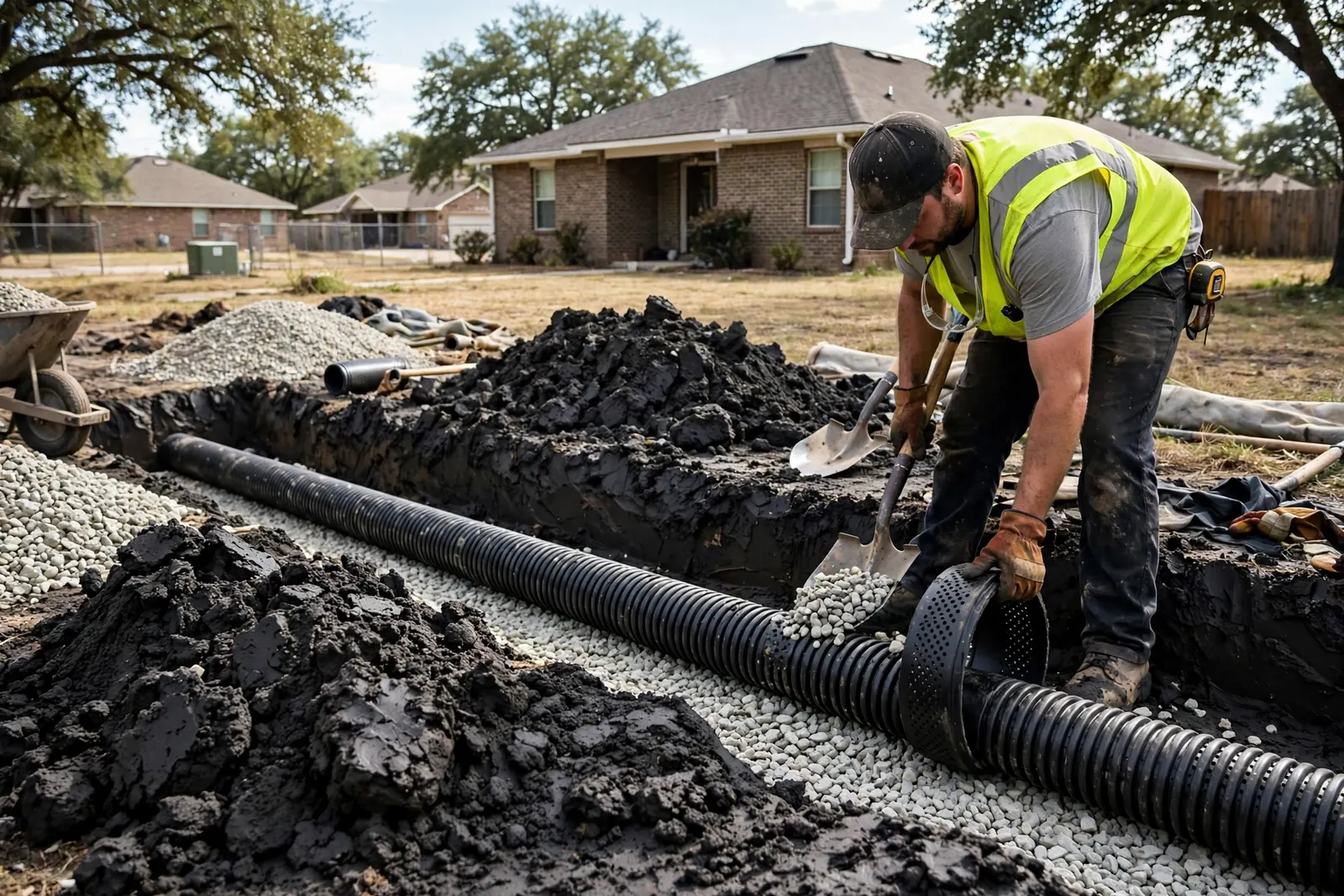
The clay under Burleson is famous in the soil surveys for exactly this behavior. It belongs to a family of shrink-swell soils (the Houston Black series is the region's textbook example) that rate high to very high for shrink-swell potential in the USDA's soil data. You can look your own lot up in the USDA Web Soil Survey, which maps soil series and their building-site ratings for any address in Johnson or Tarrant County. We check it when we plan pier depths. It is free, and it is the same data engineers use.
The swell and the shrink
Clay particles are microscopic plates that hold water between them. Wet the clay and the plates push apart: the soil gains volume, sometimes several percent, which across a few feet of soil depth means inches of upward push against a slab. Dry the clay and the plates collapse together: the soil loses volume, pulls back from the foundation, and leaves the slab's edge spanning a gap it was never designed to span. The plate below draws the cycle. The movement is worst in the active zone, the top several feet of soil where moisture swings with the seasons. Below the active zone, moisture stays steady and the ground holds still. That single fact drives our whole trade: piers work because they reach through the active zone to the quiet ground. Surface fixes fail because they sit inside the zone that moves.
Why one side of the house moves more
Even moisture means even movement, and even movement is something a slab can mostly ride. The damage starts when moisture goes uneven. A big oak drinks from one side of the house and dries that side's clay harder. A downspout floods one corner every storm while the other corners stay dry. A slab leak wets one spot for months. One side swells or shrinks more than the other, the slab tilts or bends, and rigid finishes, brick, drywall, tile, record the difference as cracks. This is why drainage and consistent moisture are foundation medicine: they even out the cycle instead of fighting its results. It also explains the town's rhythm. Burleson's claims spike after drought summers, when the shrink peaks, and after wet springs, when the swell does. Houses here are not failing because they were built badly. They are failing because the ground runs a two-stroke engine under them, every year, forever.
The moisture moat, honestly
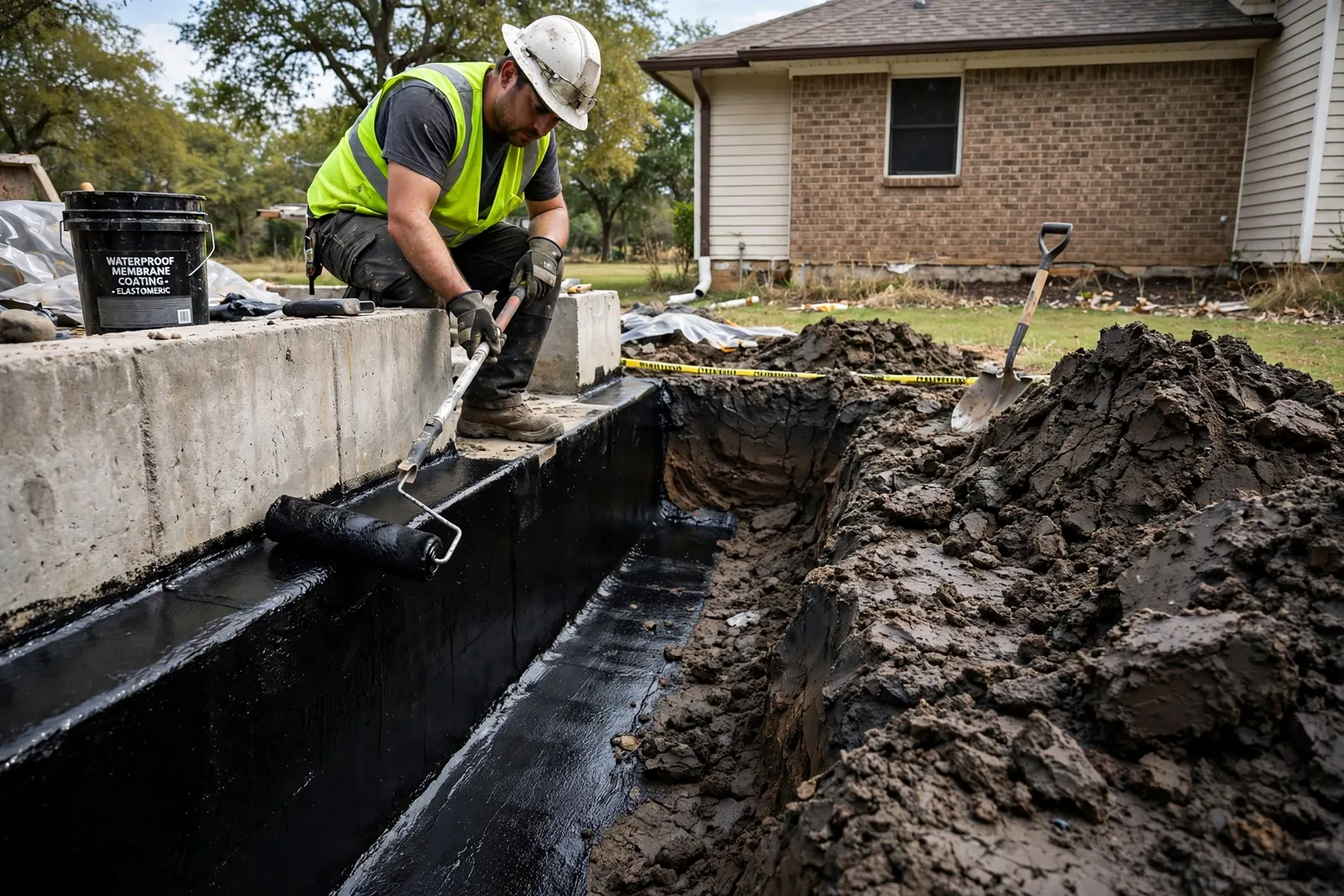
You will hear the phrase moisture barrier or root barrier sold as a clay cure. What those installs actually do is narrow the wet-dry swing at the footing line, and done right they genuinely help even the soil's mood around a house. What they do not do is lift anything, and any barrier sold as a substitute for piers on a house that has already dropped is a fence sold to do a foundation's job. Barriers belong in the maintenance column, next to soaker hoses and grading, after the structure is where it belongs. Sequence is the whole game on clay: structure first, water second, maintenance forever.
Living on clay: what actually helps
Even moisture beats more moisture. A soaker hose routine in drought, run on a schedule around the whole perimeter, keeps the edge soil from pulling away. Random heavy watering on one side makes the unevenness worse. Drainage beats everything else you can do from the surface. Gutters that carry roof water away from the footing, soil graded to fall away from the house, and drains where the lot traps water. Most "foundation prevention" is water routing. Trees are a trade-off with a distance rule. A mature oak near a corner is drinking that corner's clay. Root barriers and consistent watering manage it; pretending it is not happening does not. And when the house has already dropped, support beats soil management. No watering routine lifts a settled corner back up or holds it against the next cycle. That is what piers are for. Soil care protects the sections that have not moved yet; piers repair the ones that have. An honest evaluation tells you which half of that sentence your house needs, and our foundation inspection is free.
Keep Reading
More Guides
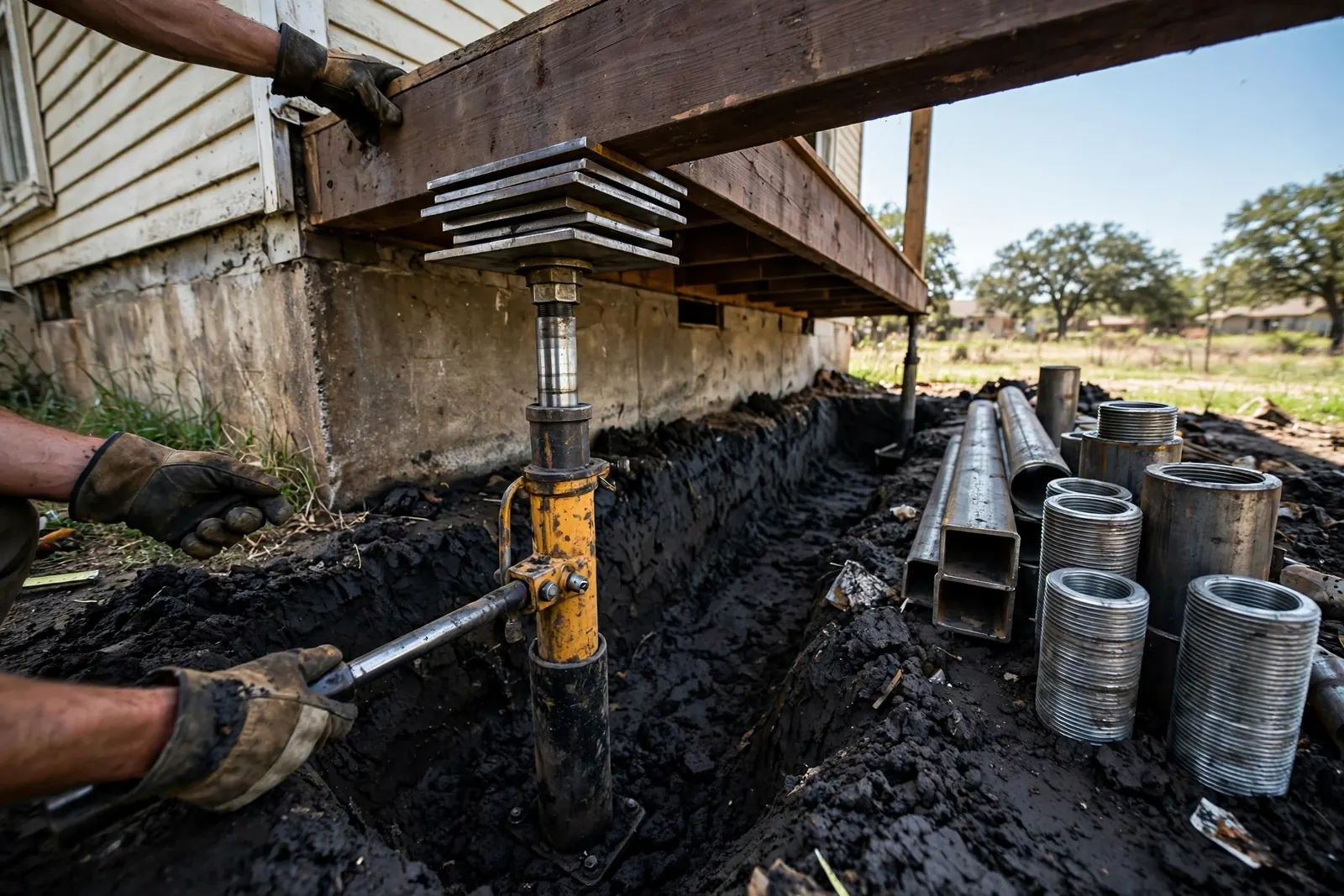 Signs of Foundation SettlementThe symptoms that matter, the ones that do not, and the two free tests that separate them.
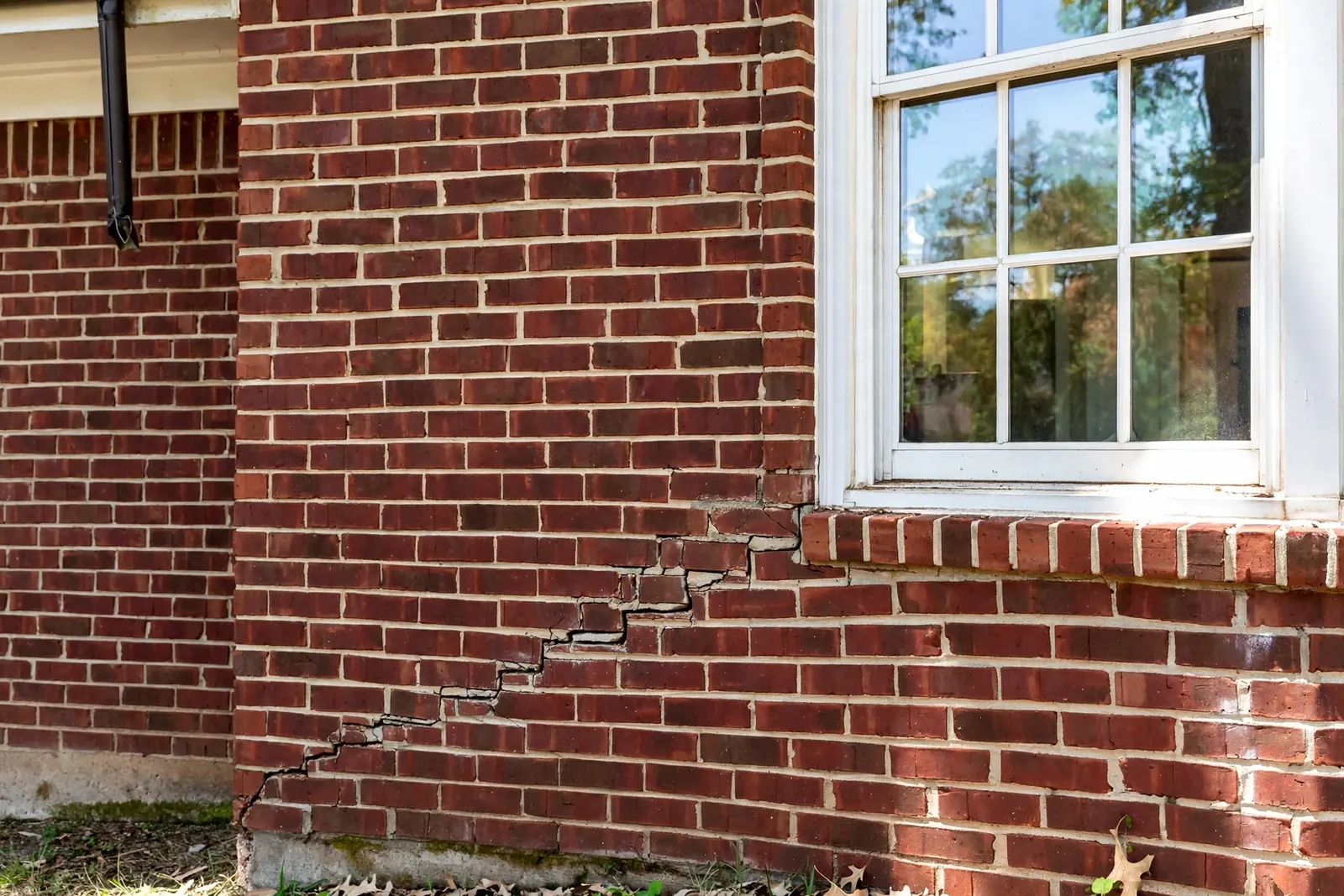 Foundation Crack TypesHorizontal, stair-step, hairline, vertical: what each pattern is telling you about your house.Expansive Clay Soil in North TexasThe blackland clay mechanism under every Burleson foundation: swell, shrink, and how to live on it.
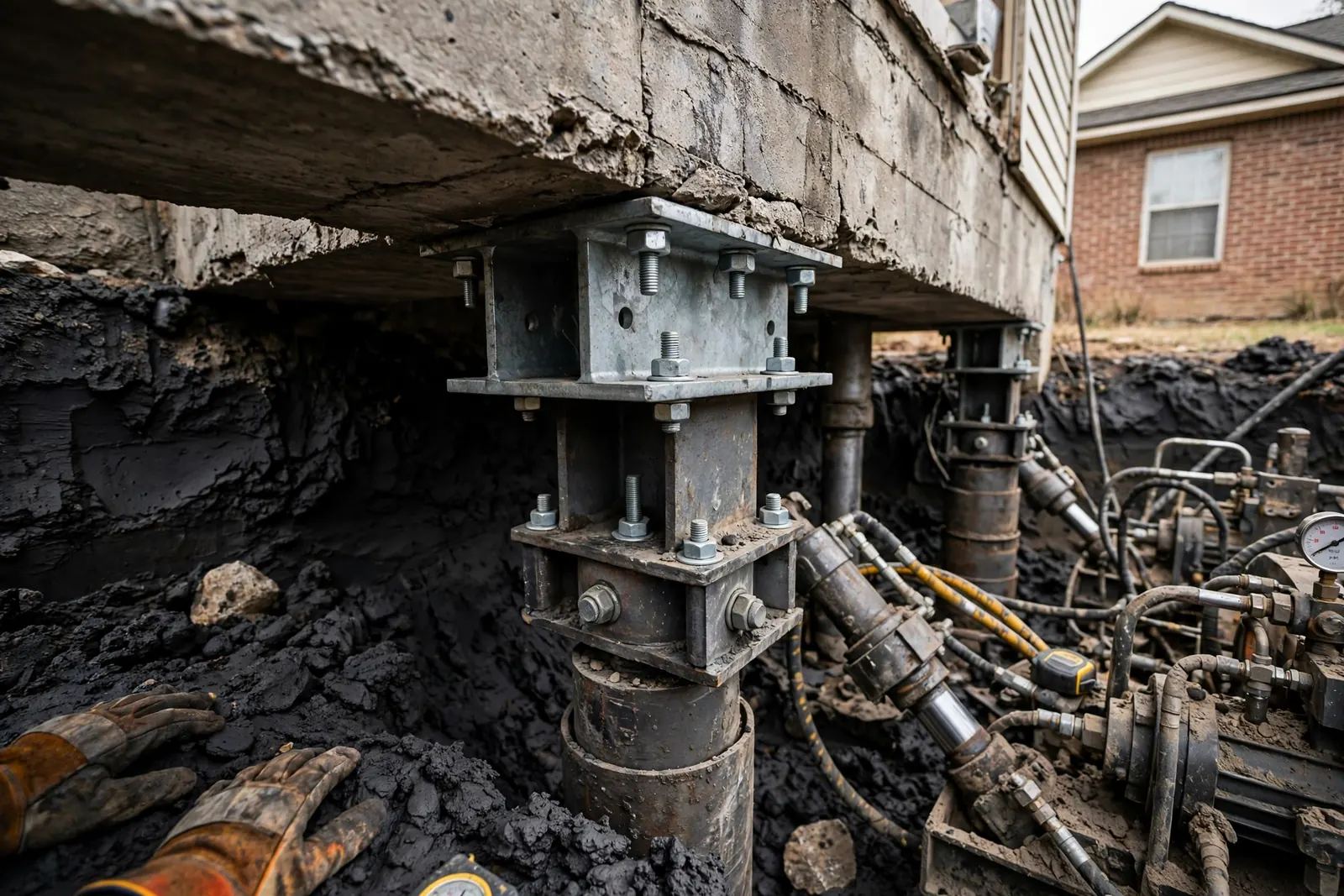 Pier Systems ExplainedSteel, pressed and helical piers in plain language, and how to read any pier quote in this market.
The Work Itself
Services Behind This Guide
Foundation RepairPiers under the low side, a controlled lift on hydraulics, and a floor that reads level when we are done. That is the whole job, done right.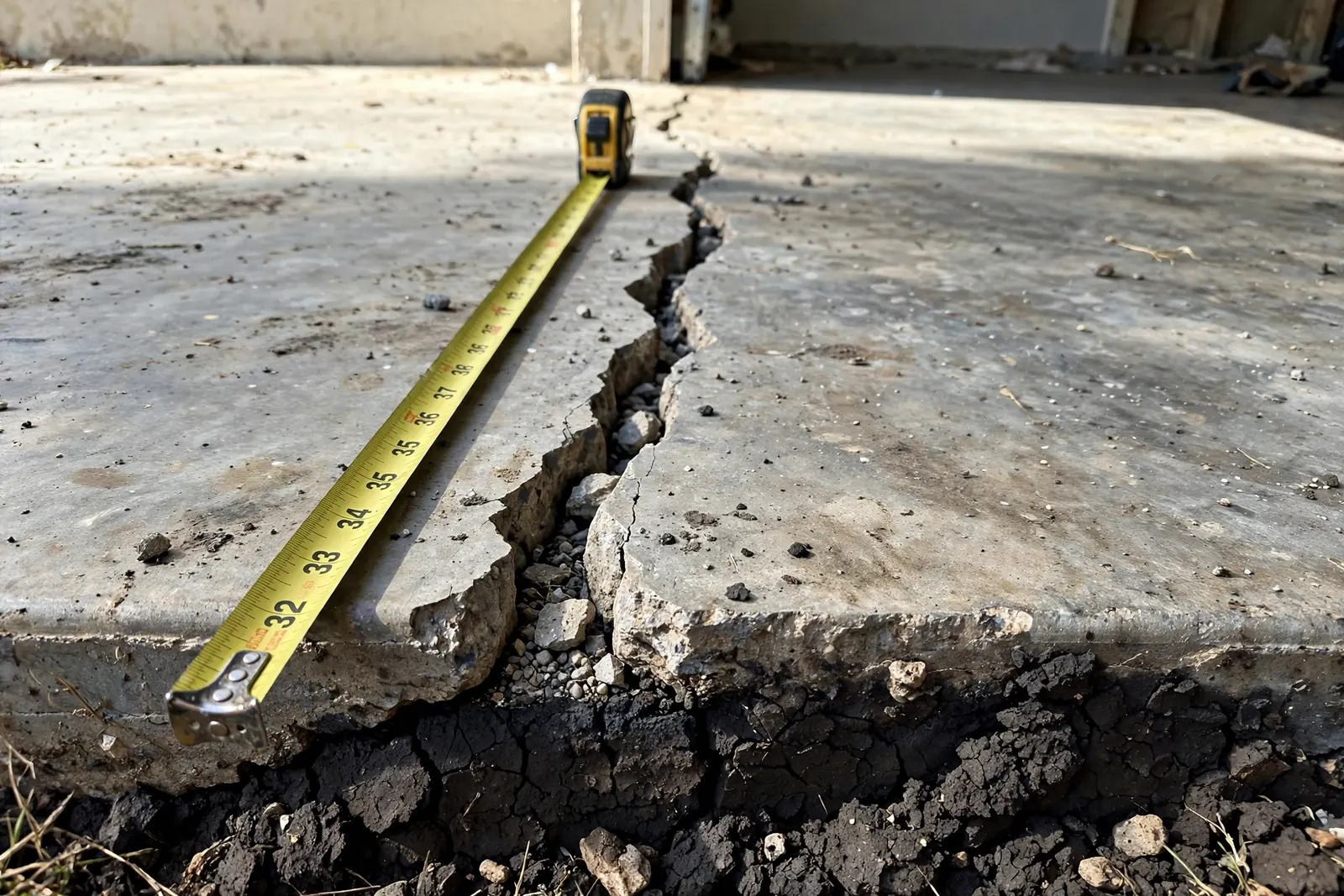 Slab RepairSunken slab sections lifted and locked onto piers. Every crack mapped before we start and checked again after the lift.Drainage & French DrainsWater is the cause. Drains are the cure. We dig the trenches nobody wants to dig and grade the yard so water leaves.
Get the Floor Read
Tell us what the house is doing and we will call you back to set the free evaluation. Prefer to talk? Call (682) 439-9099.
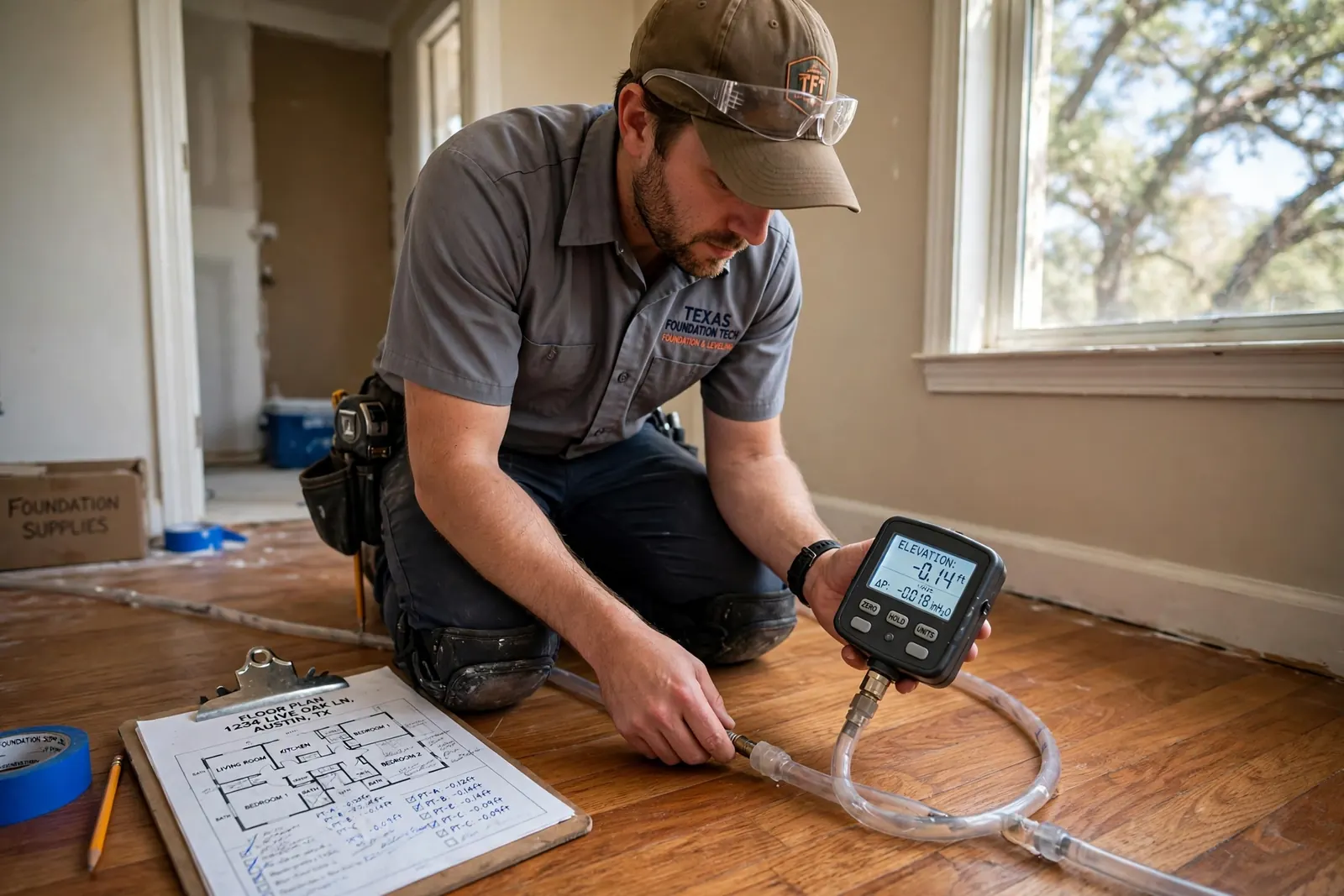
Get a Free Evaluation
We measure the whole floor, show you the numbers, and quote it flat. It costs you nothing.